Artist Spaces 01 - Sam Soon
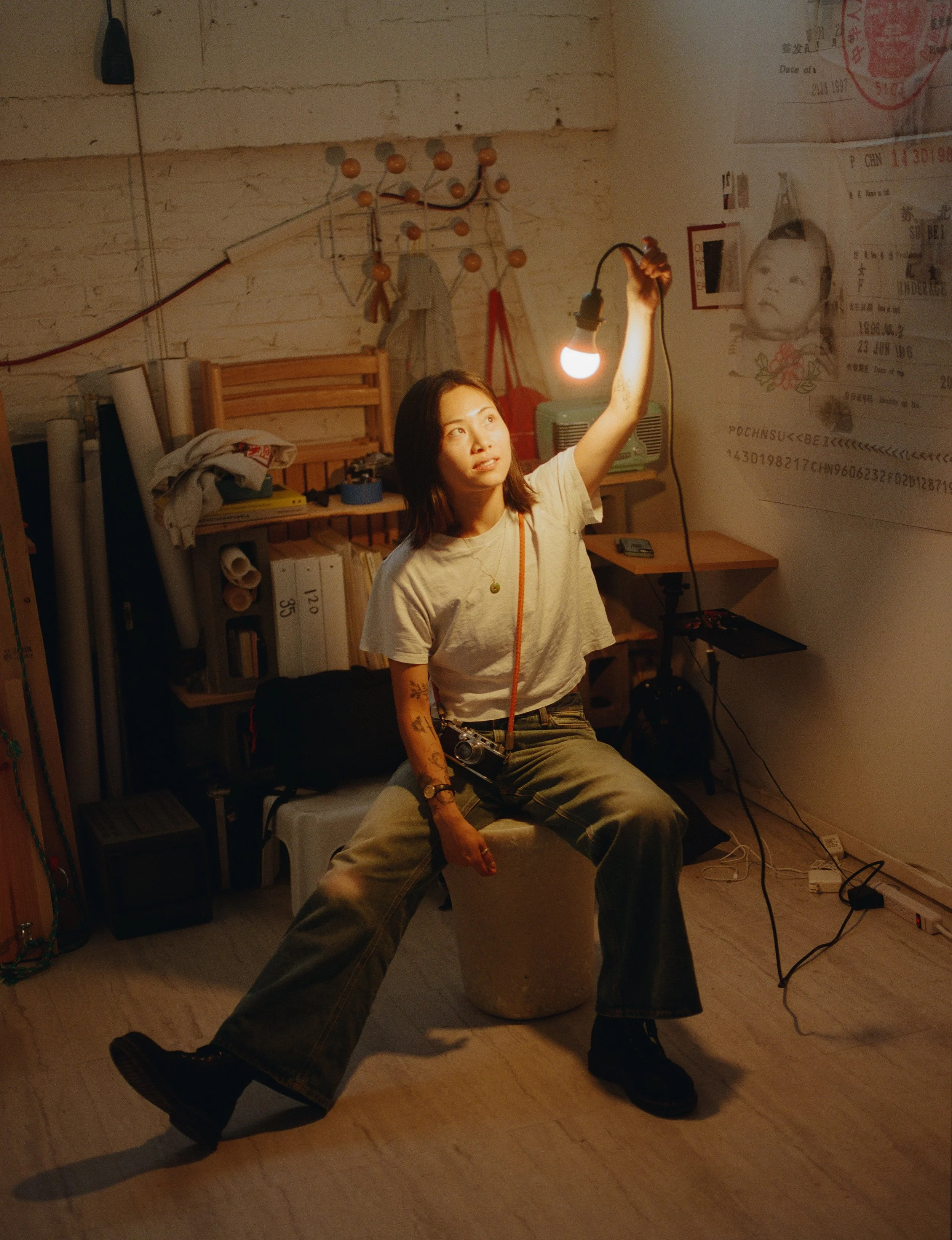
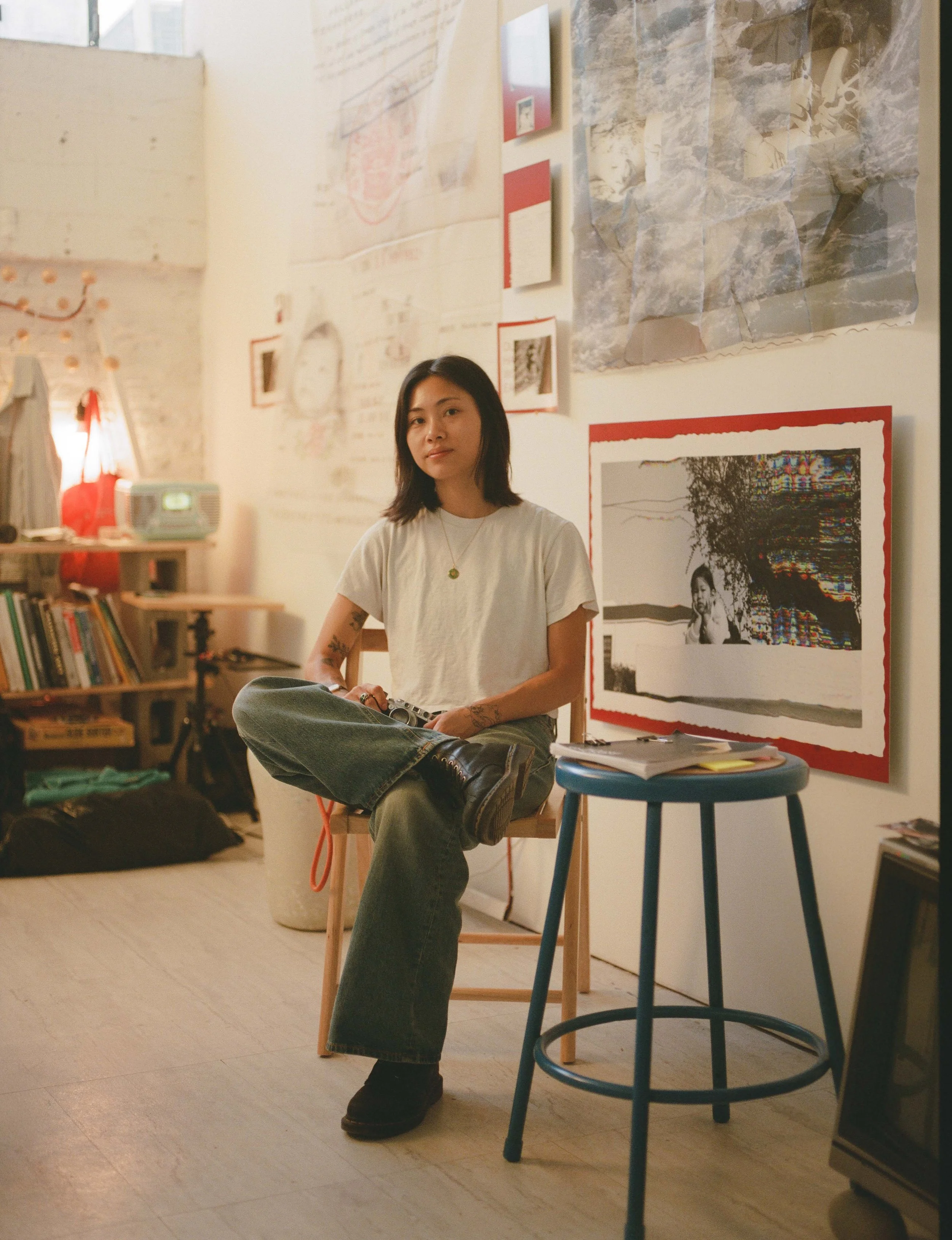
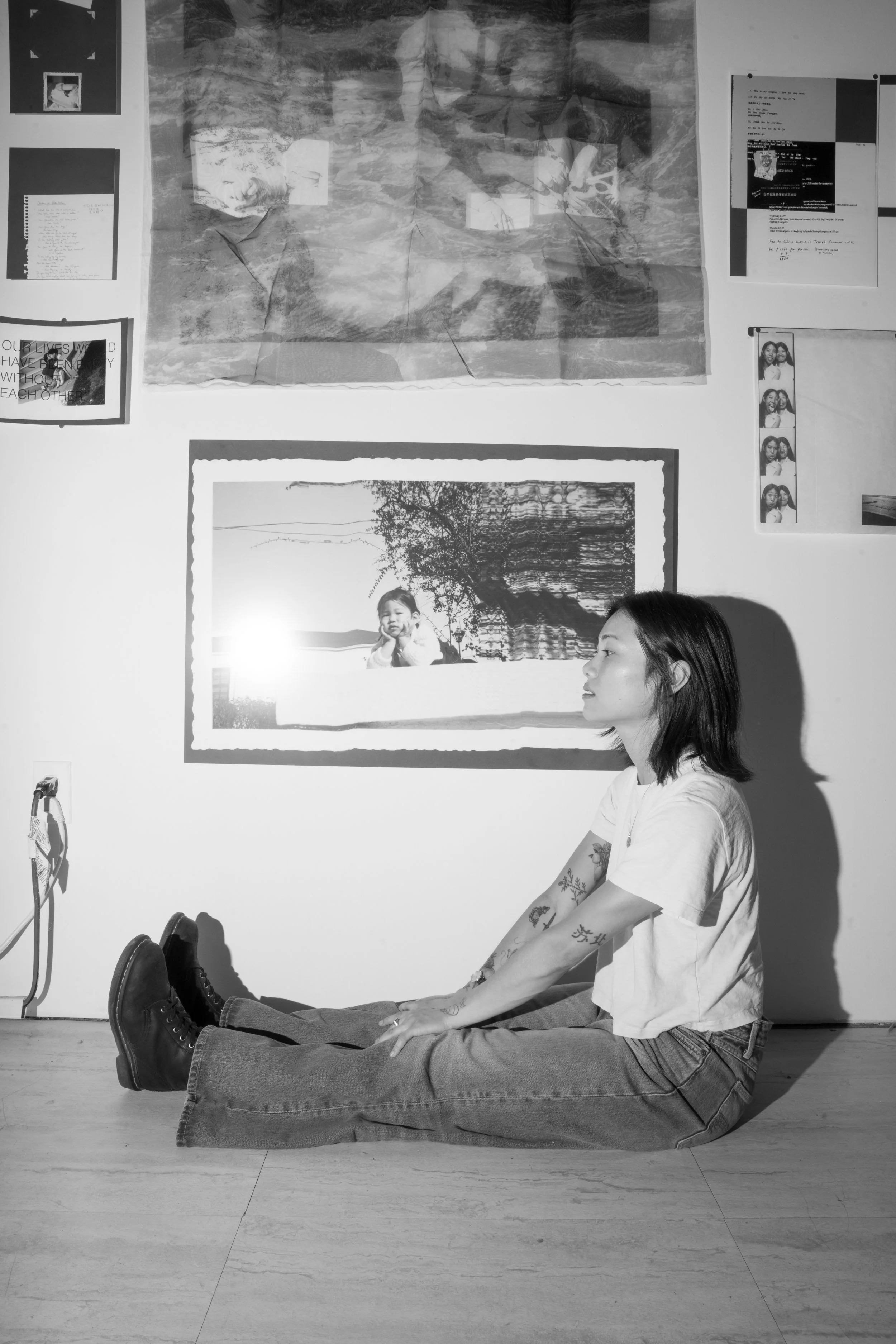
Sam Soon is an Oakland-based multidisciplinary artist creating images, films, prints, and fragrance to play with the gifts and limitations of human memory (ancestral, cultural, and personal). This conversation took place on August 19, 2026 in Oakland, CA.
This is part of our Artist Spaces series, where we spend time with local artists in the spaces where they create - centering their work, process, and the stories behind what they make. Interview and photographs by Cat Coppenrath.
“I find a lot of value in looking to the past... I think it’s because there are lessons of resilience. And yes, there are lessons about ways people were awful to each other. But I find a lot of tenderness in looking back and knowing that, at any given point, people just wanted to do their best for each other and love one another and try for the next generation to be a little better.”
CAT: Let’s start with you sharing a little bit about your art practice. How long have you been making this work? You can start generally, wherever you want.
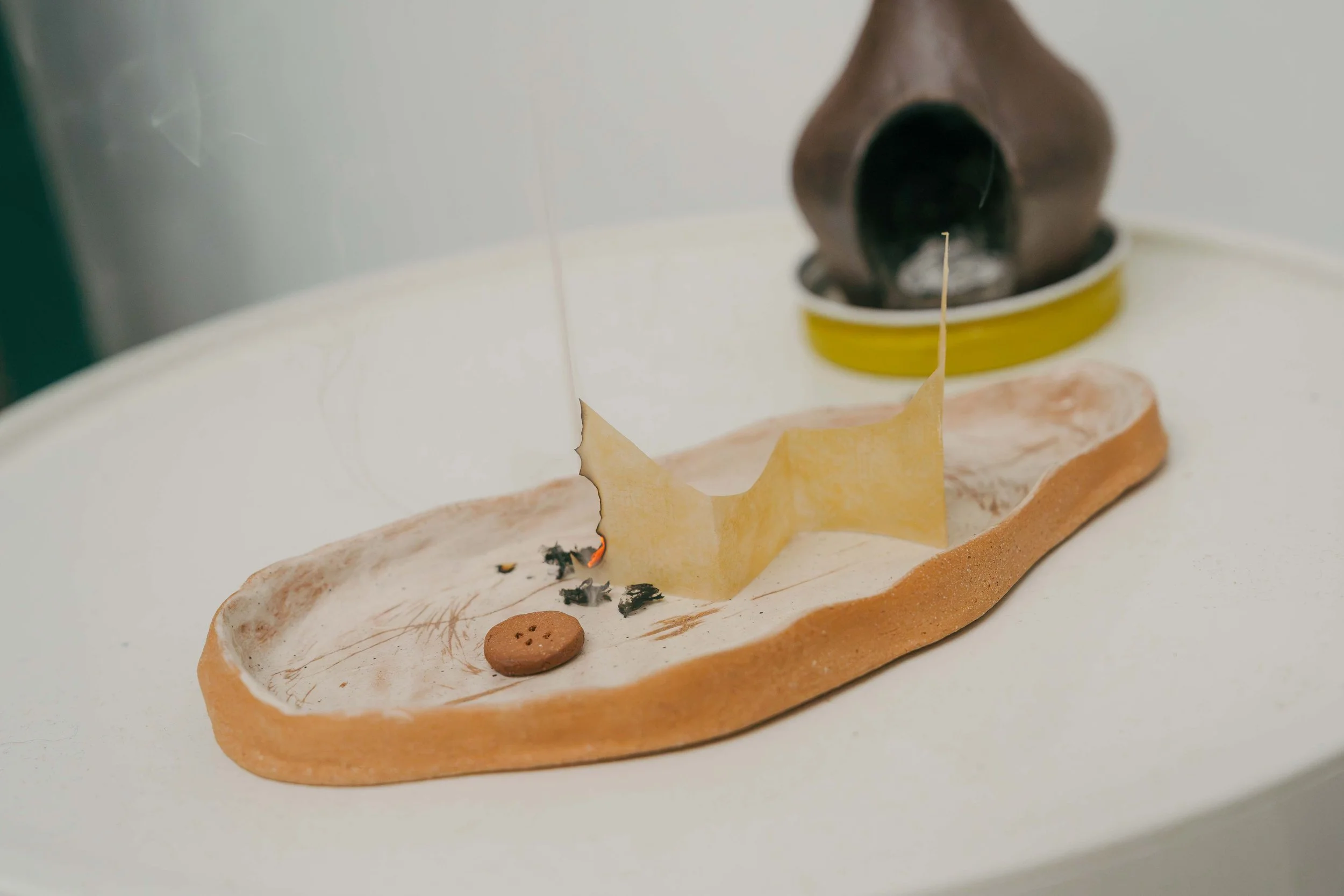
SAM: I am an artist who makes images, photographs, videos, collages, and a lot of other stuff. I make incense, and I write, but I think video and photography are very core to my practice right now.
My studio practice really revolves around ideas and feelings of belonging, especially as they pertain to family and the familial unit that I inherited. I feel a lot of kinship with the family that I was adopted into, and that’s also the jumping-off point for a lot of my concept- and archive-based works that revolve around family photos and documents.
A lot of the photos I work with were taken by my grandfather in Oakland in the ’40s, ’50s, and ’60s. So a lot of the work is thinking about: Who are we to each other? What a miraculous thing that we found each other in this life. And how do we tend those connections when those people are no longer supposed to be here?
I’ve been an artist since I was four and my parents put a Barbie Polaroid camera in my hand. I was moving away, and I wanted to take some pictures of my friends at preschool. I still have the first photo I ever took.
CAT: No way!
SAM: Yeah. I always had a little toy camera. I’ve loved photography ever since.
My uncle was an artist growing up, and I think that’s something I was really lucky to have. I’m realizing now that I grew up knowing you could be an artist - that it was a possibility for life. As soon as people started asking me what I wanted to be, I told them I wanted to be an artist.
Obviously, that changed throughout the years because of external influences, but in my heart of hearts, I always wanted to be an artist.
CAT: Wow. That’s incredible. So, were you born and raised in Oakland?
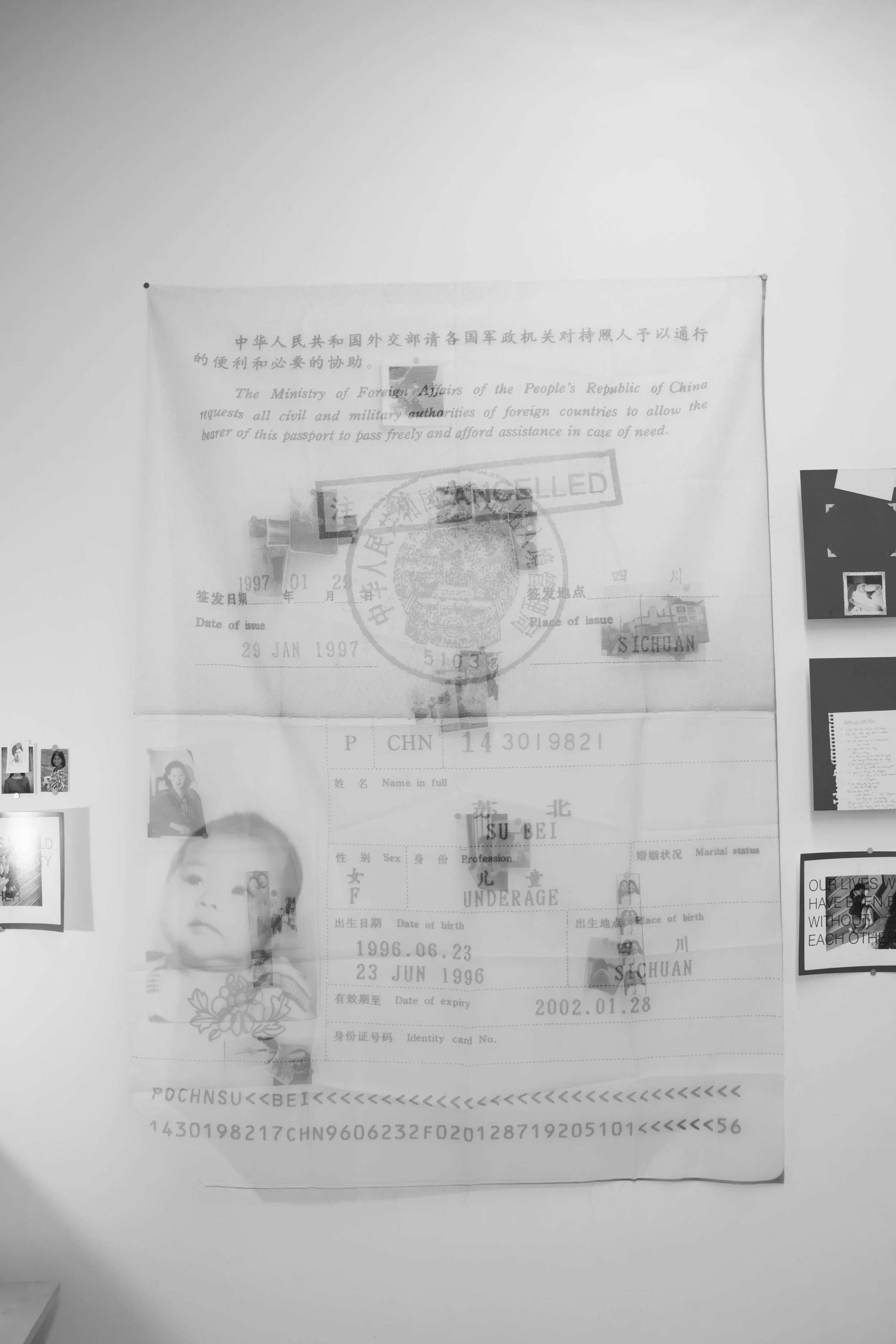
SAM: I was born in Chengdu and then I was adopted. My grandmother was born in Shanghai in 1928, and my mother was born in Oakland.
I like to think of ours as a unique family story in terms of parallel experiences of immigration for two different sociopolitical reasons. My mom has her own experiences growing up as a citizen in the United States, but also being a person of color in the 1950s, and coming of age and figuring out who she was in that way.
I try to figure out how I can hold all of that in me and carry it forward.
I find a lot of value in looking to the past. This week I’ve been thinking a lot about what draws me back to the archive, what draws me back to these photos even when I don’t know who the people are.
I think it’s because there are lessons of resilience. And yes, there are lessons about ways people were awful to each other. But I find a lot of tenderness in looking back and knowing that, at any given point, people just wanted to do their best for each other and love one another and try for the next generation to be a little better.
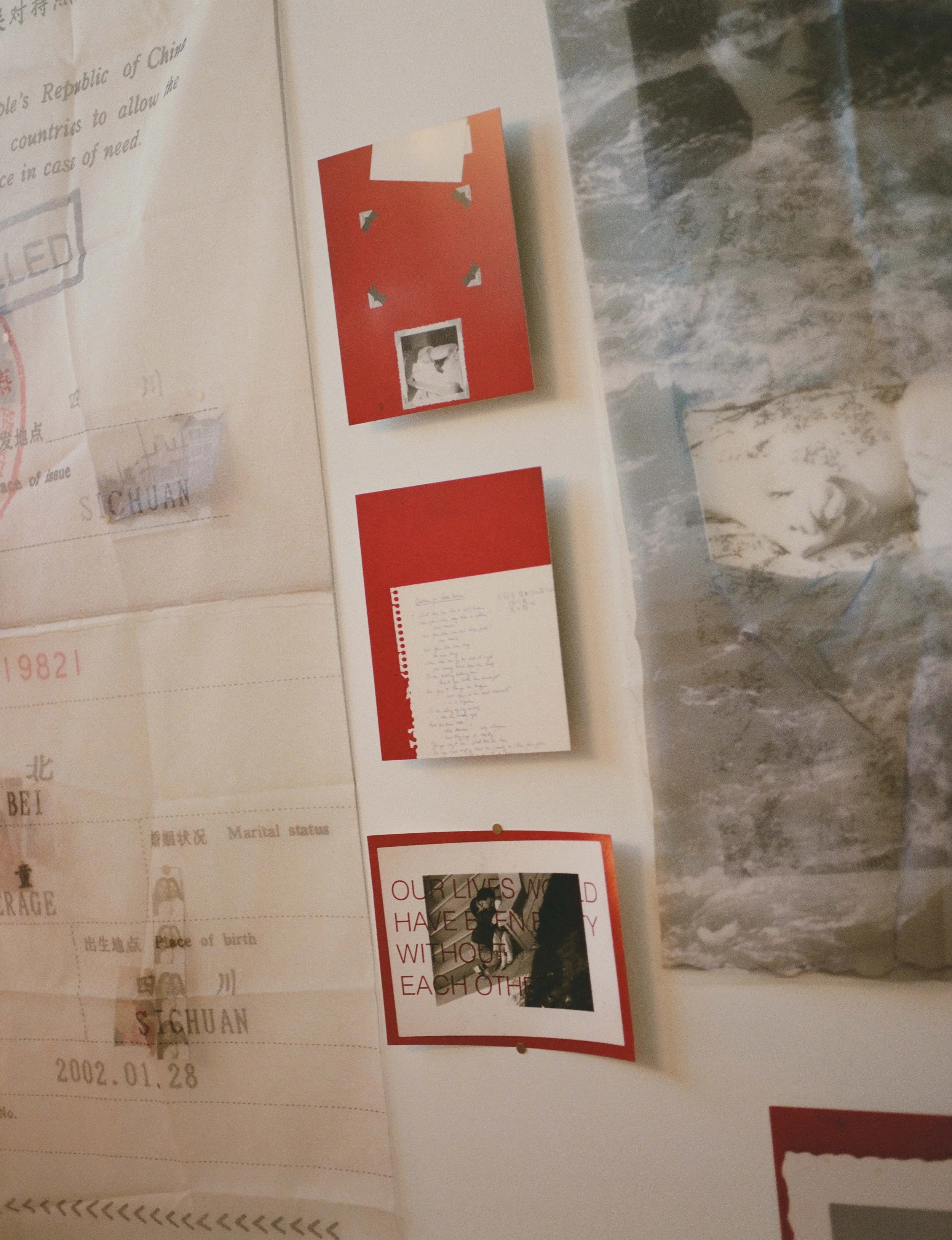
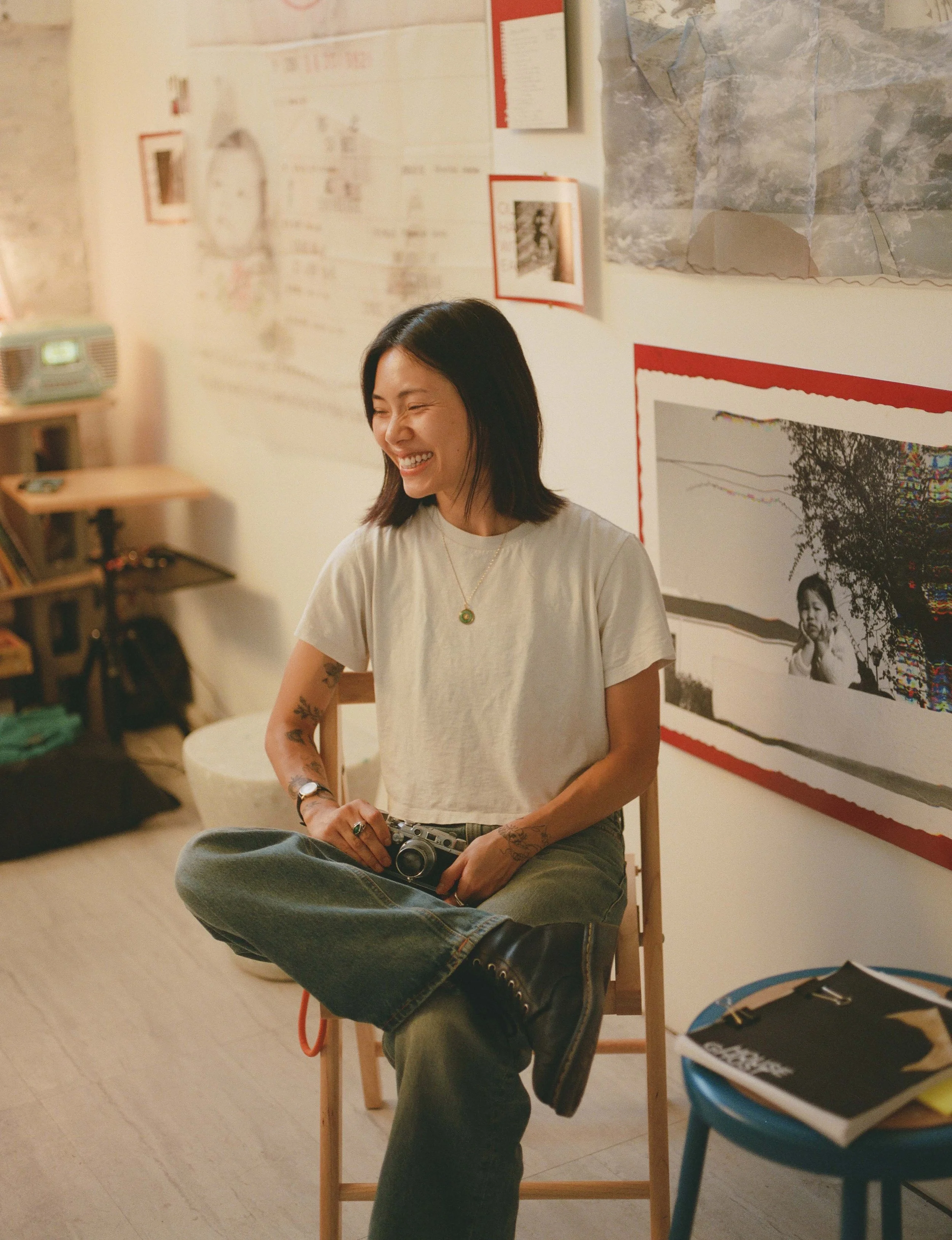
CAT: These pictures - can you talk about where you found them, where they’re from, and why you picked them to integrate into your work?
SAM: My process usually begins with a big box of photos. Maybe it’s a shoebox, or just a box of miscellaneous photo books jumbled together. I tend to take a whole box, sit down with my scanner, and go through everything.
My mom is very organized. She likes me to remember where everything is.
CAT: What’s your mom’s name?
SAM: Debbie. She likes me to keep everything in the same box, in the same photo book that it came from.
For this project, I was looking for points where my family was touching one another. Holding one another, holding hands, or exchanging some sort of physical gesture or touch, because I was thinking through the role of affection in families.
There are a lot of misplaced stereotypes about Asian people being withholding emotionally, or not being warm and affectionate. But I actually find the photo album to be a place that refutes all stereotypes.
I wanted to highlight those moments of touch.
CAT: When you say “the photo album,” do you mean your specific photo albums, or photo albums in general?
SAM: In general. I think it’s such a place of personal freedom that people throughout the ages have been able to express themselves in.
I’ve been reading this book on snapshot photography. I can’t remember who the writer is right now. She’s a professor at the University of New Mexico. In it, she talks about how the most prolific photographer of all time is the unknown photographer. Oftentimes, that was the home photographer, and that was a woman.
I think about who was assembling those photo books, who was creating the narrative arc for a family, and choosing how we represent ourselves into the future.
I also like looking at moments in a photo album that kind of shock me, or that I wouldn’t expect. Like a photo of my mom kissing my aunt on the cheek on the back of the stairs, taken at a kind of odd angle. That’s this one.
Those little moments where we see each other in our family - the people who are closest to us - can really reveal a lot about who we are to one another, who we can be, and who we want to be.
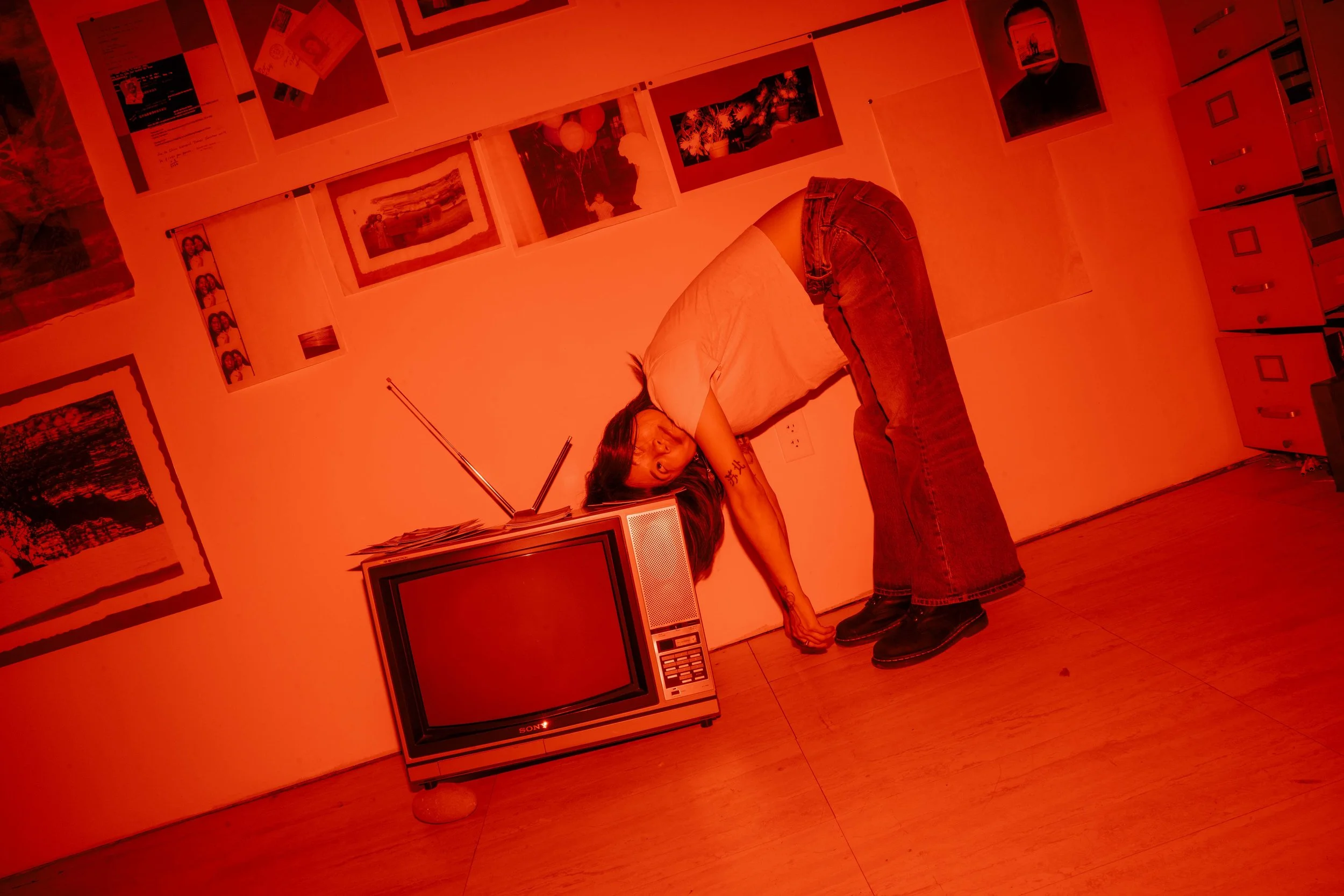
“I don’t just want to notice beauty and perfection in a way that I’ve been taught to recognize it. I want to see it in the cracks and in things - in the loss, or the memory of what something used to be.”
CAT: One thing I want to pick your brain about is that these are obviously archives that aren’t from the current era.
I think about this a lot because I photograph people regularly, and I’m hyper-aware of how aware people are of cameras now. It makes me think about the archives we’re creating now and how honest they are.
I also have a wonderful family archive that I love going through and scanning. I’ve cyanotyped some of my family pictures, so I really identify with repurposing photographs and bringing them into new contexts.
But I look at those pictures and wonder whether this kind of archive would be able to be replicated now, unless I myself have a family and photograph them and make the camera simply part of the family.
SAM: But you’re also creating your own archive.
CAT: Yeah.
SAM: Depending on whether or not you choose that for yourself.
Creating a whole archive requires you to be honest with yourself. Historically, that’s hard for a lot of people.
I think that’s also what propels me in my daily photographic practice. I’m scratching at those things that are a little more difficult and that keep resurfacing - feelings of anger, old grudges that I can’t get over.
I still see visual signals of them every day. Things that are discarded. But I’m starting to feel more and more like the things you notice are also a reflection of things that you are.
I don’t just want to notice beauty and perfection in a way that I’ve been taught to recognize it. I want to see it in the cracks and in things - in the loss, or the memory of what something used to be.
CAT: Is that making a choice around what you believe is beautiful, as opposed to being told what is beautiful?
SAM: Totally. Definitely.
CAT: That’s really moving to hear you talk about, because there’s resistance in your work. There’s resistance in that practice.
I’m inspired by that practice. How incredible to choose to pick up a camera and say, “I’m going in search of beauty, and I get to define what beauty is.”
Or even: in this really difficult moment that feels embarrassing or shameful, there’s beauty there.
SAM: Totally. There’s a photo I love where my partner’s dad dropped a dozen eggs on the ground. I remember rushing over when he dropped those eggs because I was like, “Man, that is a beautiful thing.”
CAT: Your egg photo!
SAM: Yes. This type of shit is what I’m after.
The house can be messy. There can be a crack in the ceiling, but doesn’t the light come in so nicely? I think that’s what I’m trying to build my personal archive on.
CAT: I love that. It rejects notions of perfection.
SAM: Thanks. I think that’s what I’m after right now.
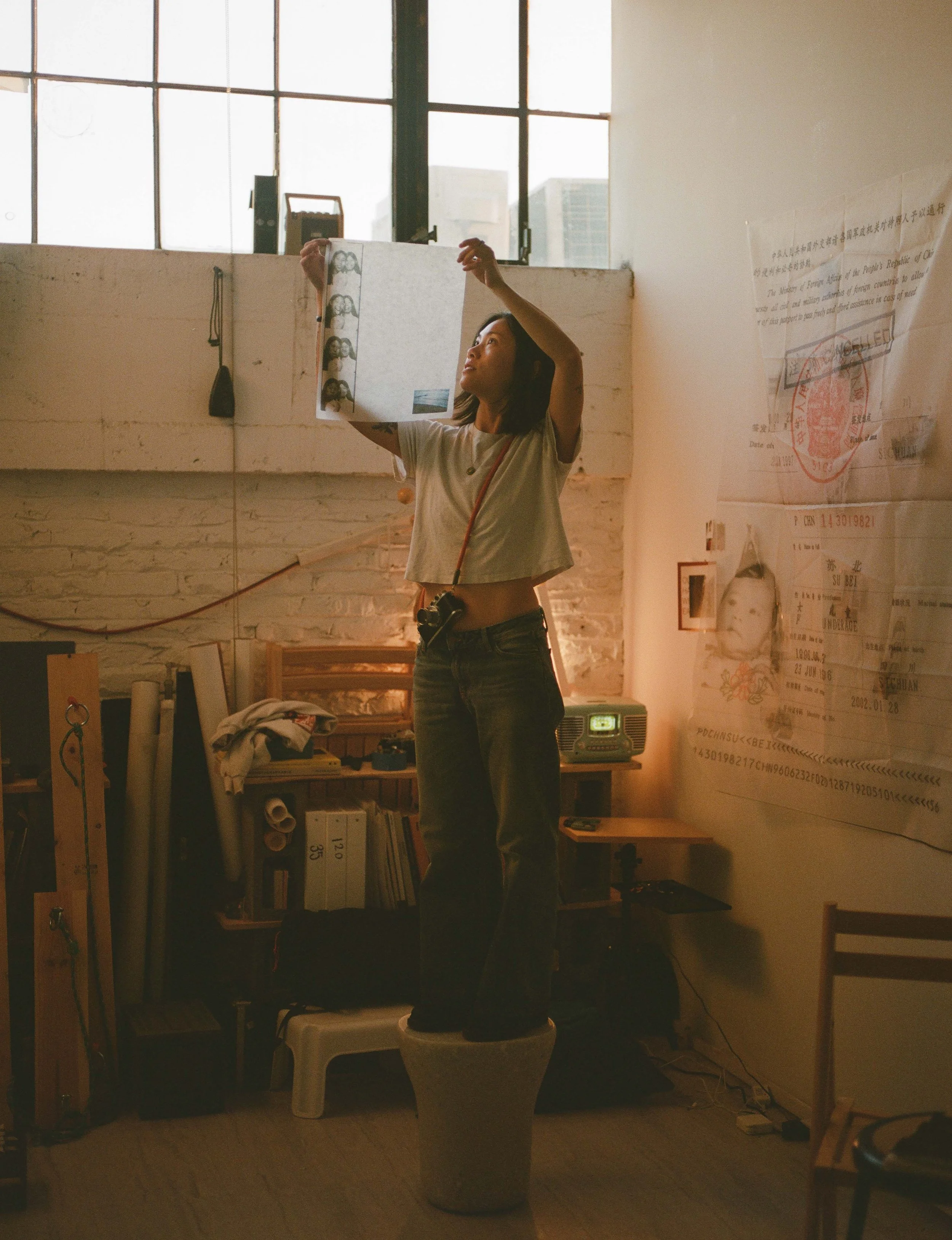
“Having a concerted place to come and know that, for however long I’m here. It doesn’t have to be a long time. I’m just going to look and think about what I’m making, and I’m not going to do anything else. I just have this physical place to be.
It’s a place where I can work out my ideas and be messy and leave things behind when I don’t know what the hell I’m doing.”
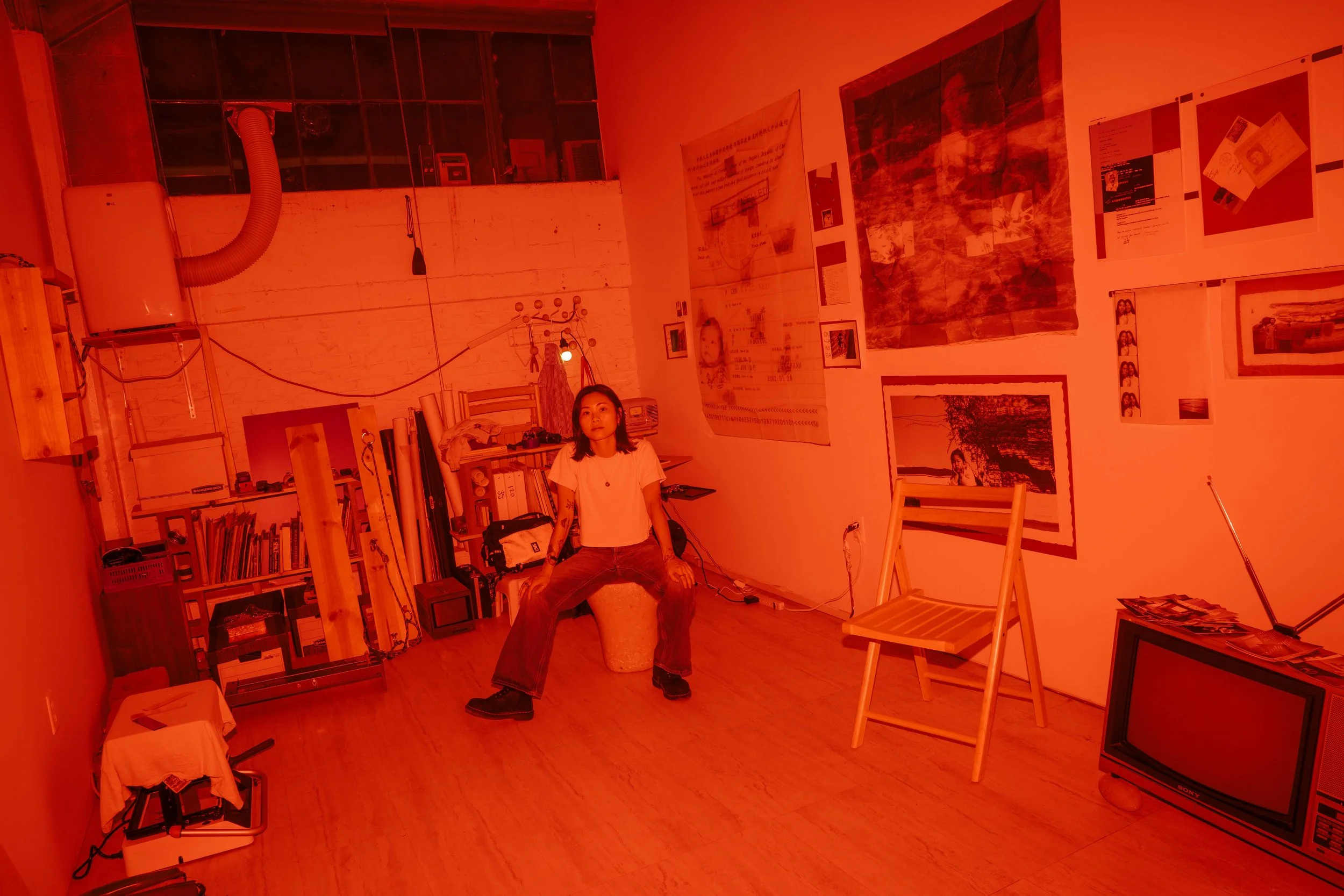
CAT: Let’s talk a little bit about the studio space. What does having a studio mean to you? Is there anything in the space that feels integral or important to your practice?
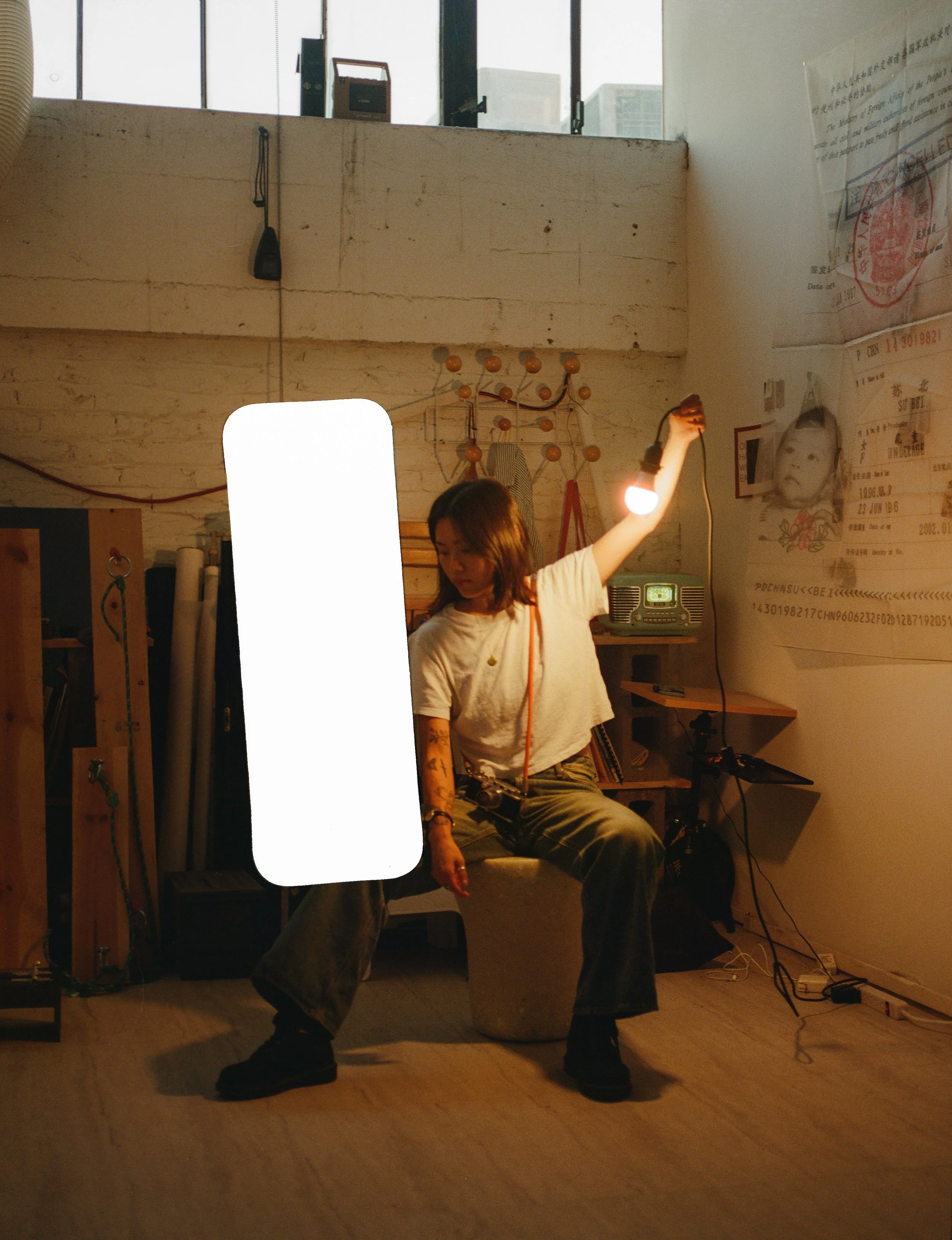
SAM: Having a studio space has meant everything to me.
I was doing pretty well without it for a while. But having a concerted place to come and know that, for however long I’m here - it doesn’t have to be a long time - I’m just going to look and think about what I’m making, and I’m not going to do anything else.
I just have this physical place to be.
It’s a place where I can work out my ideas and be messy and leave things behind when I don’t know what the hell I’m doing. I don’t have to think, “Am I being disrespectful of this common shared space in my living room?” Or, “I have all these photos I need to scan, but I also have to clean them off my dining room table because I don’t want to get pasta sauce on them.”
That could only last for so long for me.
I also love having a space to invite people into. I’ve had a few other studio visits that have honestly been super fruitful. I can have a place to chat that feels inviting, but doesn’t feel so personal that I have to invite you into my house.
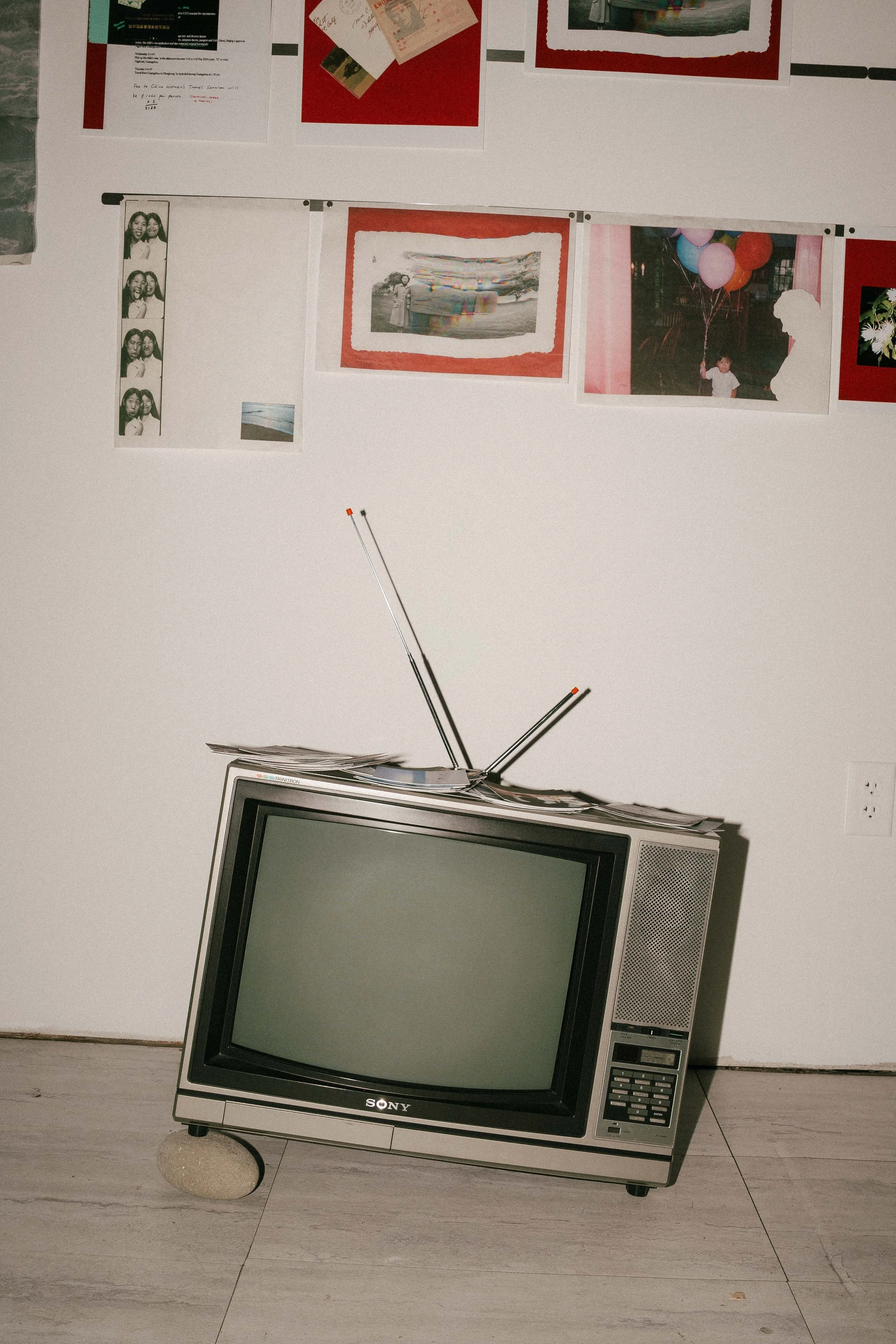
Something important I wanted to share is my old time slide sorter.
CAT: Oh my God. Wow.
SAM: It doesn’t have a working light anymore, but the slides still fit. I have a bunch of slides at home that are just random pictures of China, family vacations.
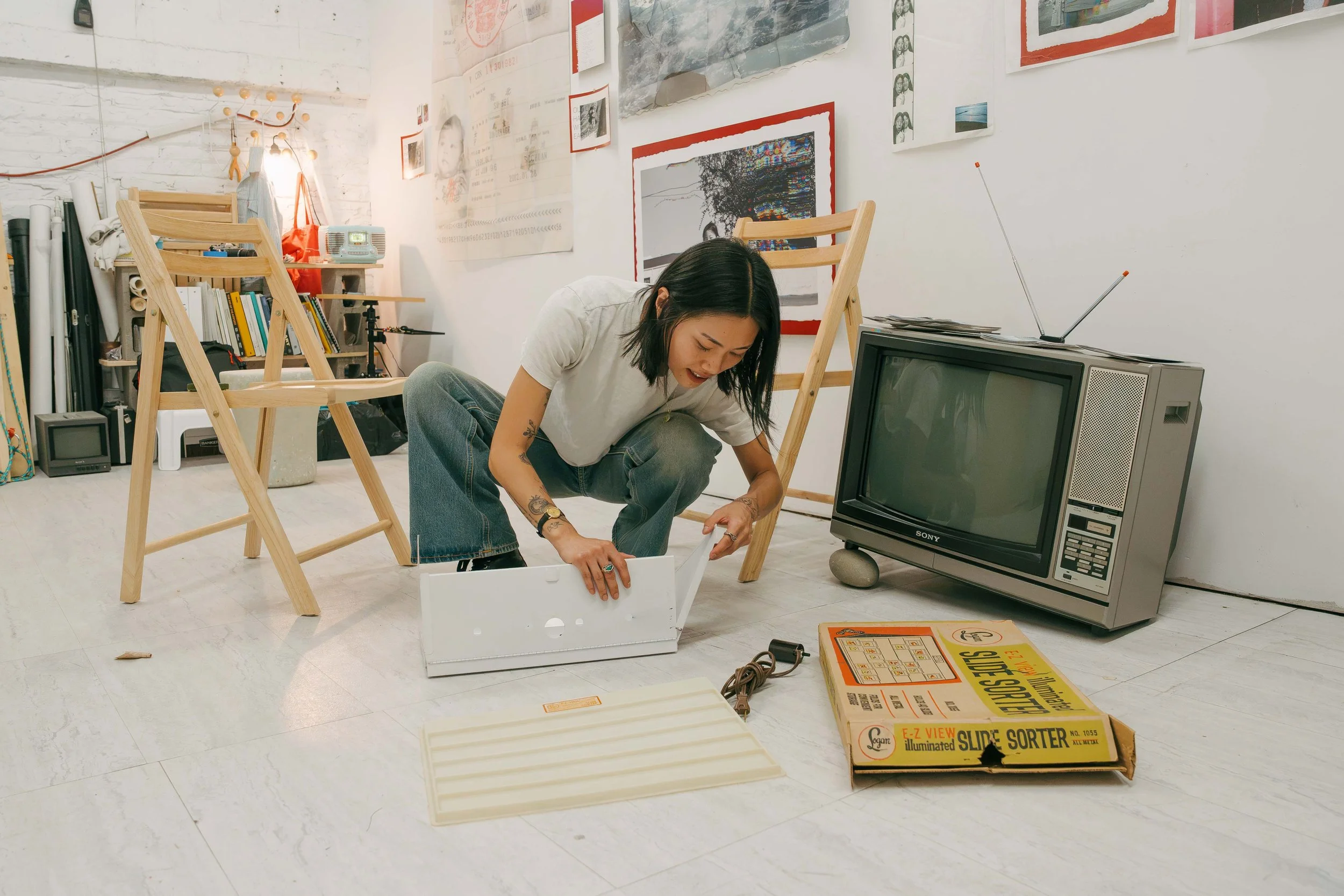
CAT: When you’re in here, what does your process look like? You walk in the door and…
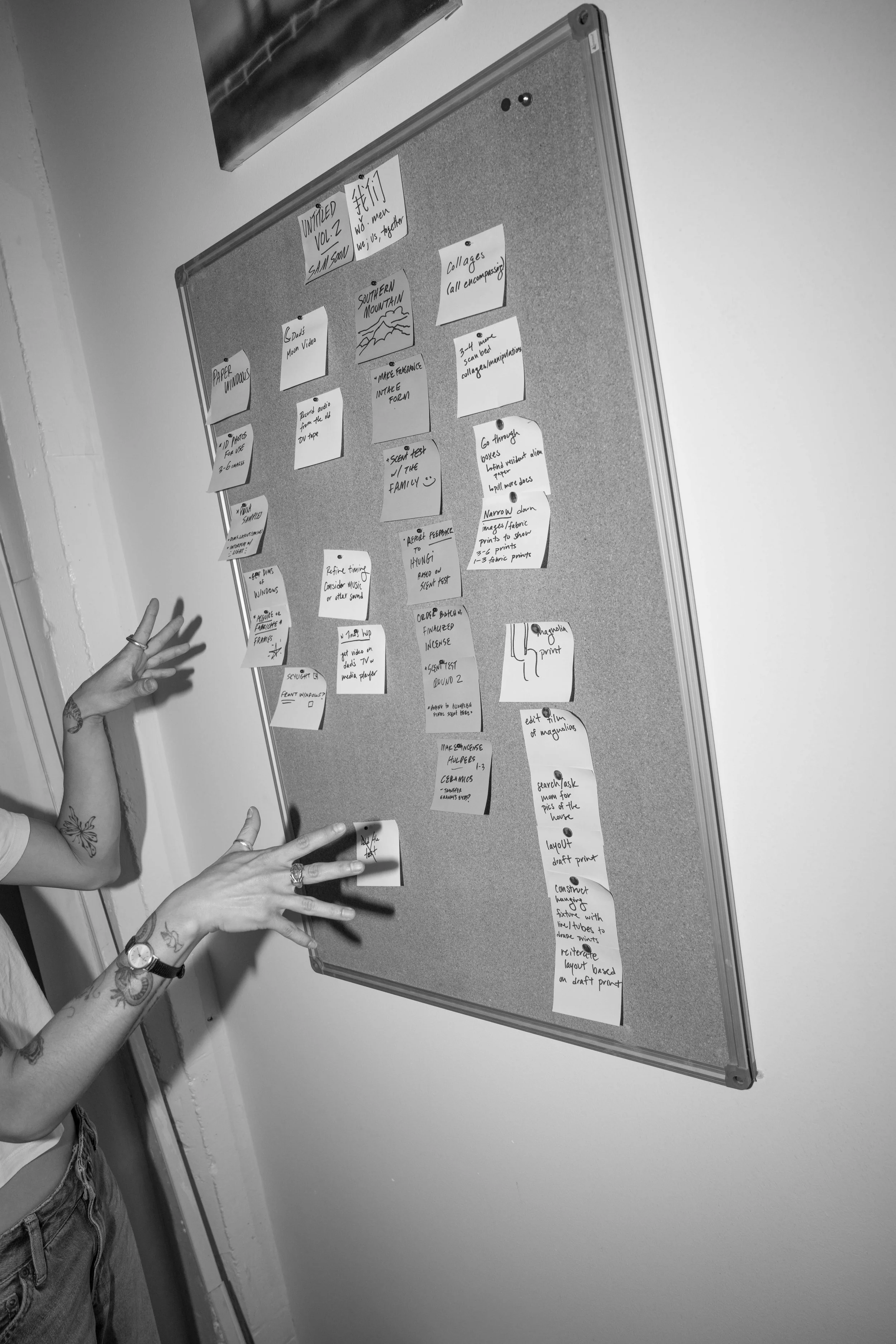
SAM: Throw my stuff down. I usually write a little bit before I start, just to figure out what’s in my head that day.
Lately, my process has been kind of boring looking because it’s just me on my computer video editing.
Previously, I would come in here and look through my photos and try to group or categorize them so I could figure out how I wanted to sequence the book. That was what was taking up a lot of space for a while.
CAT: Do you think having a studio space has uplifted, elevated, or deepened your creative practice?
SAM: Yeah, it has.
Even just by the fact that I share the space with my partner - seeing things that he was working on and understanding how much of creative work is sometimes just rearranging shit - having a space to do that has been really helpful.
I don’t think I would have wanted to take my dad’s TV if I hadn’t had the studio, where I knew I could set it up and really think about what I wanted to do with it.
“I think continuing to gather in person, to go to art shows, to see things that we like and don’t like, that’s been huge for me in trying to maintain a connection to art making and the art world without being so entrenched in social media.”
CAT: Moving toward the Bay Area: What are your thoughts on the arts here? Do you have any hopes and dreams for art and creatives in the Bay Area? How are you feeling?
SAM: I’m feeling dejected. Very dejected.
We talked about this before the recording started, but the closure of SF Camerawork* is devastating. And obviously the closure of CCA.
CAT: Did you go there?
SAM: Yes. My dad’s father also went to California College of Arts and Crafts.
Thinking about its evolution, even dropping the “craft” part was devastating in a way. It dropped the institutional weight of craft, you know? And now it’s going to be something else.
Going back to what we were talking about earlier - things needing to be institutionalized and buttoned up - all of that is really big in so many systems of power and oppression.
It’s devastating to see those kinds of things happen week after week, month after month. Spaces closing.
CAT: How do you think we keep art and photography alive?
SAM: I feel like, not to toot your horn, but things like Photo Saloon, honestly.
I was thinking about it at work today. I’m not on Instagram anymore. If I hadn’t heard about Photo Saloon through word of mouth, I wouldn’t have known that there are still DIY groups meeting and people who are passionate about making things with our hands in an intentional way.
Just getting together to discuss that and spending a little bit of our time.
I think continuing to gather in person, to go to art shows, to see things that we like and don’t like, that’s been huge for me in trying to maintain a connection to art making and the art world without being so entrenched in social media.
Figuring out, “What do I really like that this person is making right now?” And then pushing myself to send an email and say, “Hey, I love your work. I’ve loved it for this long. I love what you’re doing.”
Just trying to build slowly. Last year, I made one new friend, and I was like, “That’s amazing.”
Not trying to optimize everything. Not trying to do everything the best and the most that I can do it.
I think the Bay Area has always been about finding steps where we are to do better, to be closer, to do right by one another.
I was raised in the Bay Area. The ubiquity of tech has been leeching into my life for as long as I can remember.
CAT: Human connection is an interesting answer because it’s such a huge piece of your work, right? Staying connected to your family and staying connected through pictures.
SAM: It’s definitely not easy. It’s difficult work. I feel angry sometimes, and it surfaces a lot of things that I’m also angry about on my relatives’ behalf.
But I think it’s teaching me a lot in terms of relating to one another and not turning away from one another.
In the day to day interpersonal stuff: How can we have patience for each other?
CAT: Yeah. How do we move on after conflict? Repair.
I’m a big abolitionist nerd, and I love thinking about community and repair. Harm is an inevitable thing when we gather together. Nobody is perfect. Notions of perfection are rooted in white supremacy.
In order to actually embody who we are, which is fallible human beings, we’re going to make mistakes and we’re going to hurt each other. How do we then show up for ourselves and our communities when that happens?
SAM: And still see the tenderness of each other’s being.
*after this interview SF Camerawork announced its reopening.
“I heard someone say that the best AI is ancestral intelligence.”
CAT: Is there anything else you wanted to add to what we’ve talked about - specifically related to your art, your art making, your space, or community arts?
SAM: I heard someone say that the best AI is ancestral intelligence.
I’ve been thinking about that a lot.
CAT: Oh my God. Wow.
SAM: Yeah. Just trying to stay connected to things that make me very human, even when that means mistakes.
CAT: Yes. Totally.
SAM: Thank you so much for coming to my studio.
CAT: Yeah. Thank you.
Got a studio or creative space you’d like to share with the community? Email hello@photo-saloon.com